


A class trip is often a highlight of the school year for many pupils. A successful class trip supports team spirit, offers shared experiences, and enables learning outside the classroom too. From the teacher's perspective, the most important thing is to find a class trip destination that suits the age group, is safe, and easy to implement in practice.
Children of different ages have varying needs and desires, so it's worth setting aside some time for planning when choosing a school trip destination. This guide will go through the key perspectives to help you select a suitable destination for both younger and older pupils.
Classes 1–6: ease, enthusiasm, and safety
For younger pupils, the most important aim of a class trip is to provide enjoyment, positive experiences and shared activities. Clear structures and low-threshold activities are emphasised in this age group.
Good class trip destination for grades 1–6:
- It is easy to approach and does not require prior experience
- to enable participation for the whole group at the same time
- includes clear instructions and a guided start
- supports safe movement and calm group guidance
For younger pupils, the smooth running of a trip is often more important than the challenge of the activities. When the environment is controlled and the schedule is clear, there is room for joy, movement and togetherness.
Years 7-9: choice and appropriate challenge

School pupils in their early teens are already yearning for more independence and a suitable challenge. The success of a class trip often comes from the activities feeling meaningful and not too childish.
A suitable class trip destination for this age group:
- offers activities where everyone can participate in their own way
- includes appropriate challenges without forcing
- supports team spirit and interaction
- also enables playful competition or teamwork
When students feel they are being acknowledged in a way that is appropriate for their age, a class trip remains a memorable positive shared experience.
What kind of school trip is memorable?
Successful class trips often share a few common factors:
- pupils get to experience and do things together
- Everyone has the chance to succeed
- The teacher's role is clear and stress-free.
- The day is progressing smoothly with no unnecessary waiting.
A well-chosen destination for a class trip supports the teacher's work and gives pupils space to be part of a group in a new way.
Teacher's checklist for planning a school trip
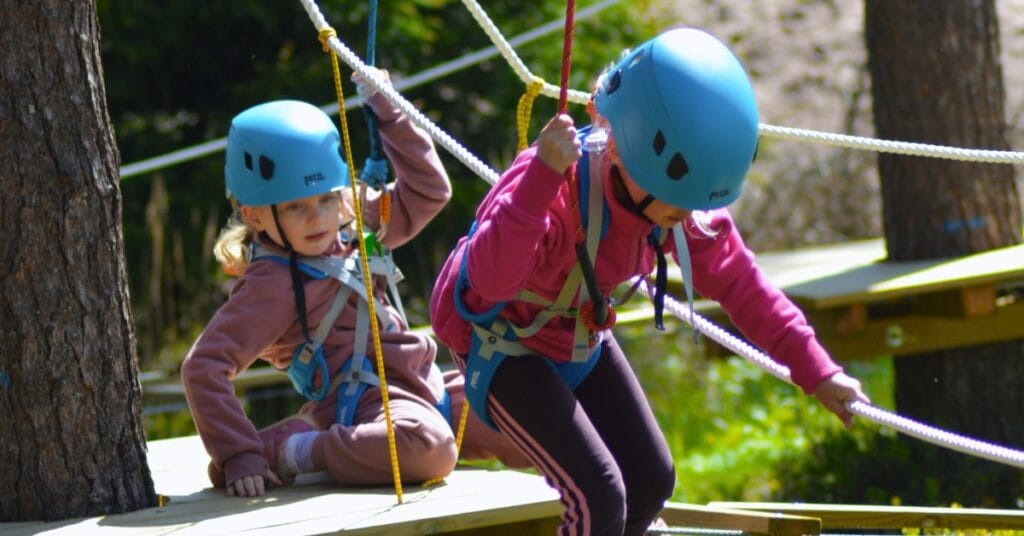
Before making a booking, it is worth pausing for a moment to consider these questions:
- Is the destination suitable for the age group and group size?
- Are the safety practices and guidance clearly described?
- How much responsibility are students given during the day?
- Is the schedule realistic within the school day?
When the basics are in order, the class trip becomes a cohesive experience that benefits both pupils and teachers.
🎒 View items and begin planning
Planning a class trip is easier when the options are gathered together and a choice can be made according to the group's needs.
Would you like more ideas for planning class trips?
Choosing a school trip destination is often part of a wider plan. If you are planning trips for different seasons or looking for more practical tips, this content will be helpful:
- New year, new adventures – how to get your class moving right from January
The article offers ideas for active early-year excursions and low-threshold physical activity in everyday school life.