

A class trip is not just a fun break from everyday routine, but it is often the moment when the class truly learns to work together. Movement, problem-solving, and shared successes support skills that cannot be learned at desks. Here are tips on how to make the trip day educationally meaningful – without an extra planning burden.
Read also: How to choose the perfect school trip destination for different ages
A trip/excursion is more than just a day off.
Learning on a trip happens unnoticed. When pupils get to interact with each other in a new environment, their roles in the classroom change. One notices they are good at encouraging others, another knows how to solve problems, a third surprises with their bravery.
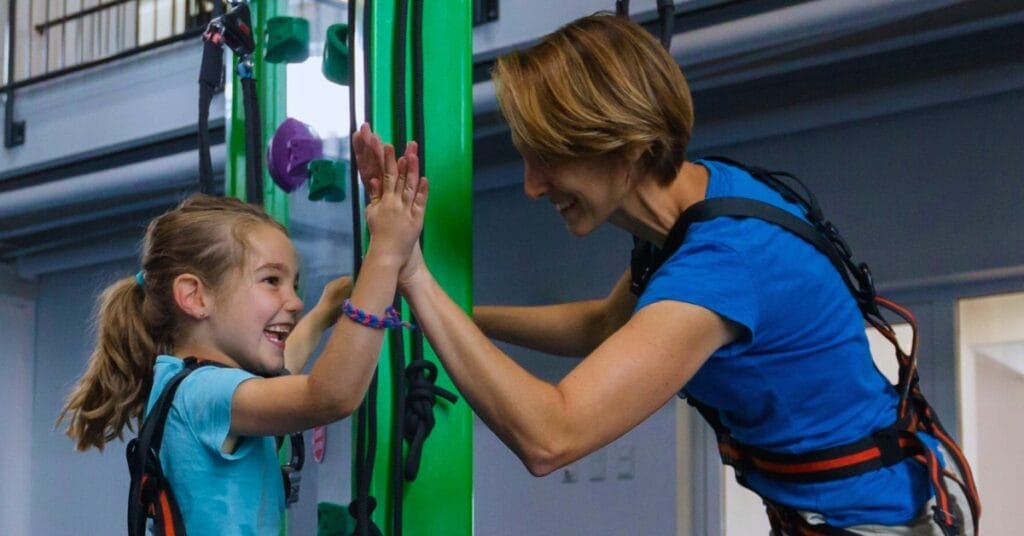
In climbing, adventure courses or team games, the teacher often sees what they don't notice in the classroom: how different learners support each other. Irti Maasta - at the climbing centre, many teachers have reported noticing how a “quiet” pupil encourages others – and the whole class dynamic changes.
“A fourth-grader, who usually doesn’t dare to participate in PE lessons, climbed up and shouted down: ‘Look, I did it!’ The class applauded. In that moment, you could see what courage and community really mean.”
– Class teacher, Espoo
Learning skills, not theory
A trip does not require a separate lesson to be educationally valuable. It can develop precisely the skills that the new curriculum emphasises: co-operation, problem-solving, self-regulation and supporting others.
On the laser arena the teacher can observe the group's interaction in game situations – who takes on the role of leader, who needs encouragement?
Inflatable castle park We're practising body control and safe movement again, without competition.
In the cave adventure A group walking together in the dark requires trust and consideration for others.
When pupils reflect on their experiences after a day, they often realise themselves what they have learned:
“I could trust my friends, and that's why I dared more.”
Assessment and reflection without forms
The teacher doesn't need to turn the excursion into a lesson, but a brief post-excursion discussion makes it valuable for learning. For example, try:
- “What was the most surprising moment of the day?”
- “What did you learn about yourself or your friend?”
- “When did you last do something together that was a success?”
A brief chat on the bus or in class the next day is enough. These insights can even lead to a small portfolio or essay task. “A trip from which I learned something new.”
Read also: How to organise a successful day trip – tips for a stress-free time
Turning the experience into part of the school's daily routine
At its best, a trip also leaves a mark on everyday life. If the class realises something essential about cooperation, courage or movement on the trip, it can be taken along into the school day. Many teachers utilise physical breaks, joint game-based tasks, or small-scale classroom “adventure challenges” after trips.
Hohtogolf yes Korkee are examples of places where exercise and play are combined – and where pupils can simultaneously practise concentration, turn-taking and encouragement.